CASE STUDY
We were in the middle of a major reimagining of Majesco’s P&C Policy Administration platform. I had directed a designer to build a comprehensive Figma design system mapped to MUI tokens and framework primitives. With two direct reports and myself as lead, we were designing key sections of the platform using Figma and Axure.
Built with React, TypeScript, Vite & MUI v6 (Figma Design System)
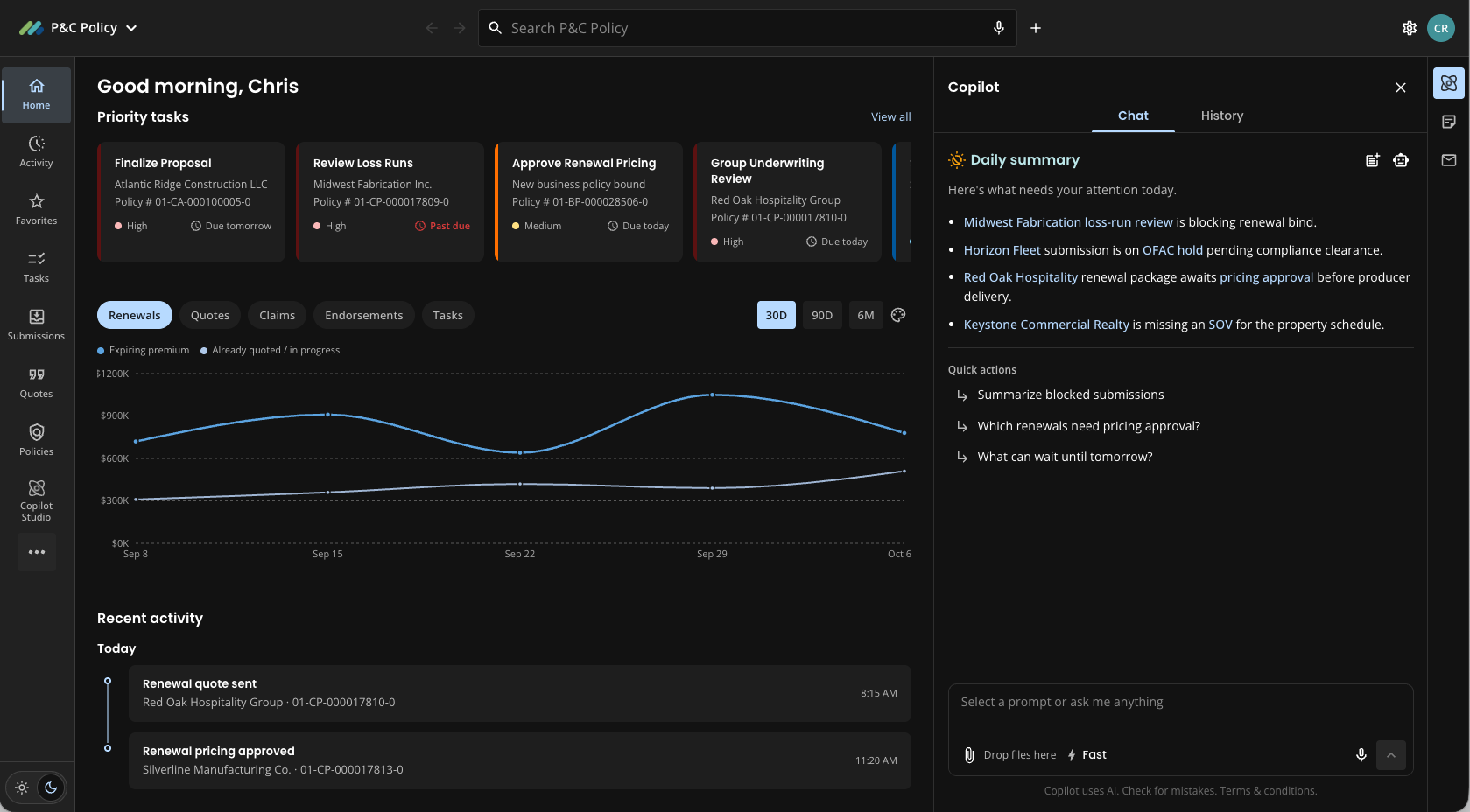
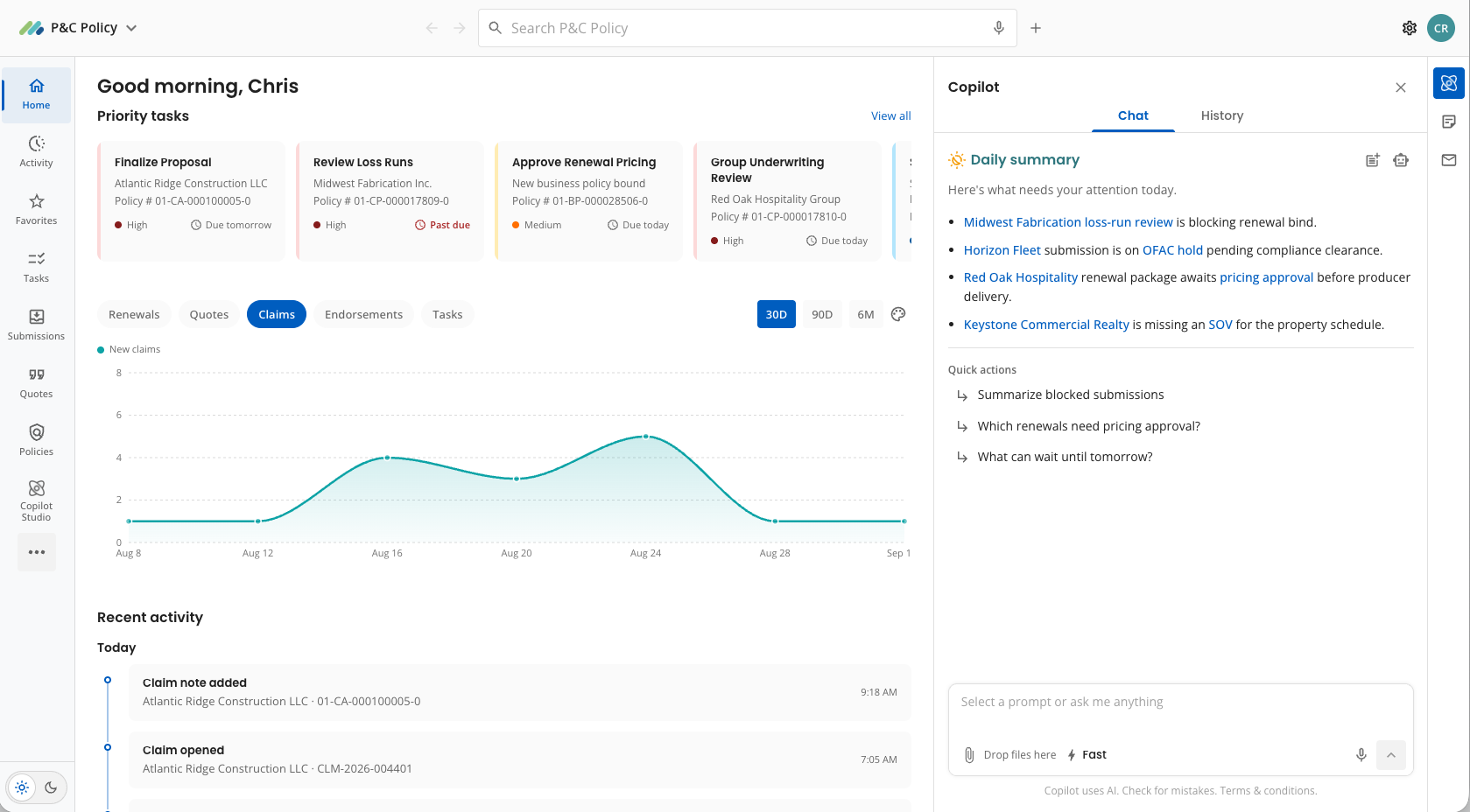
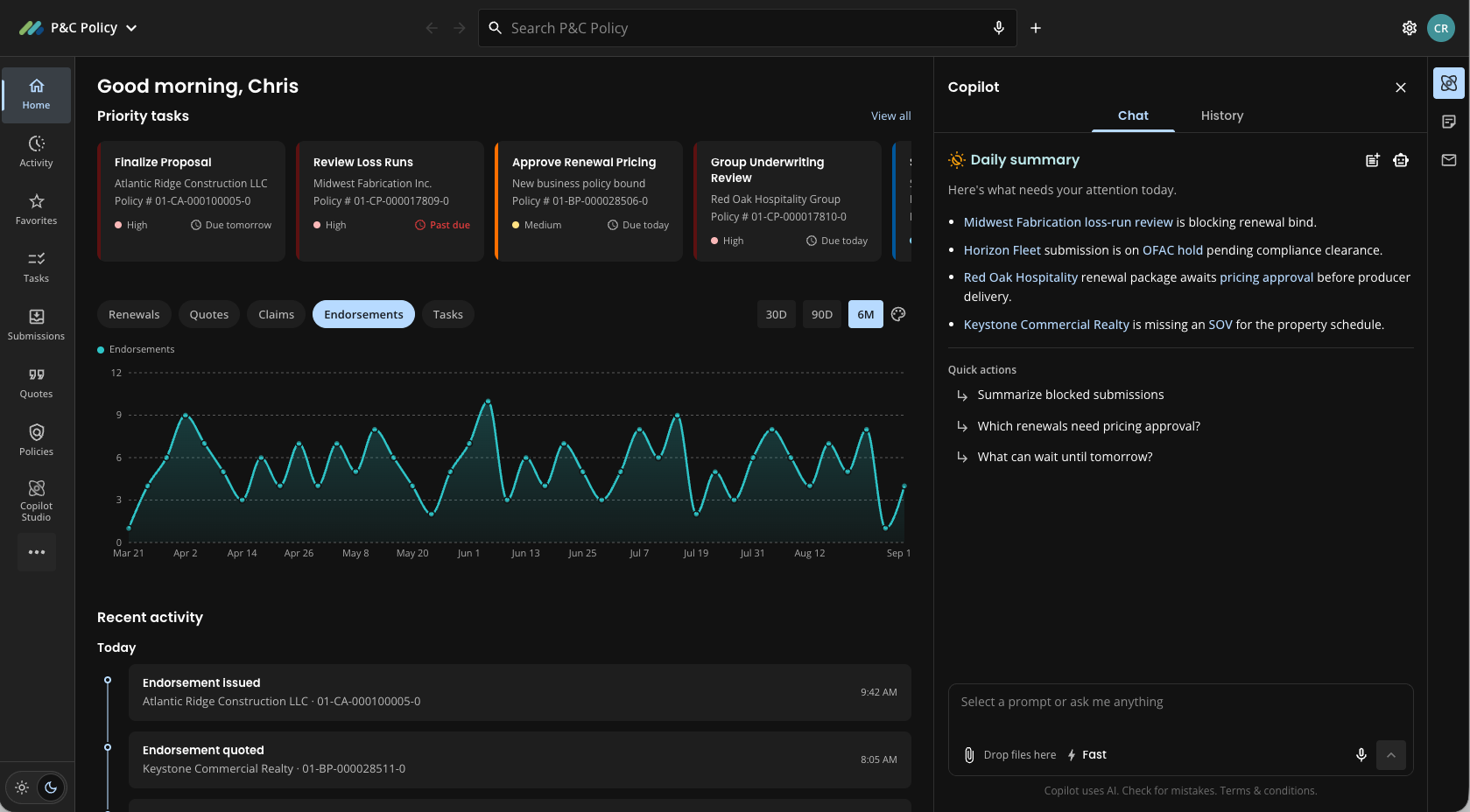
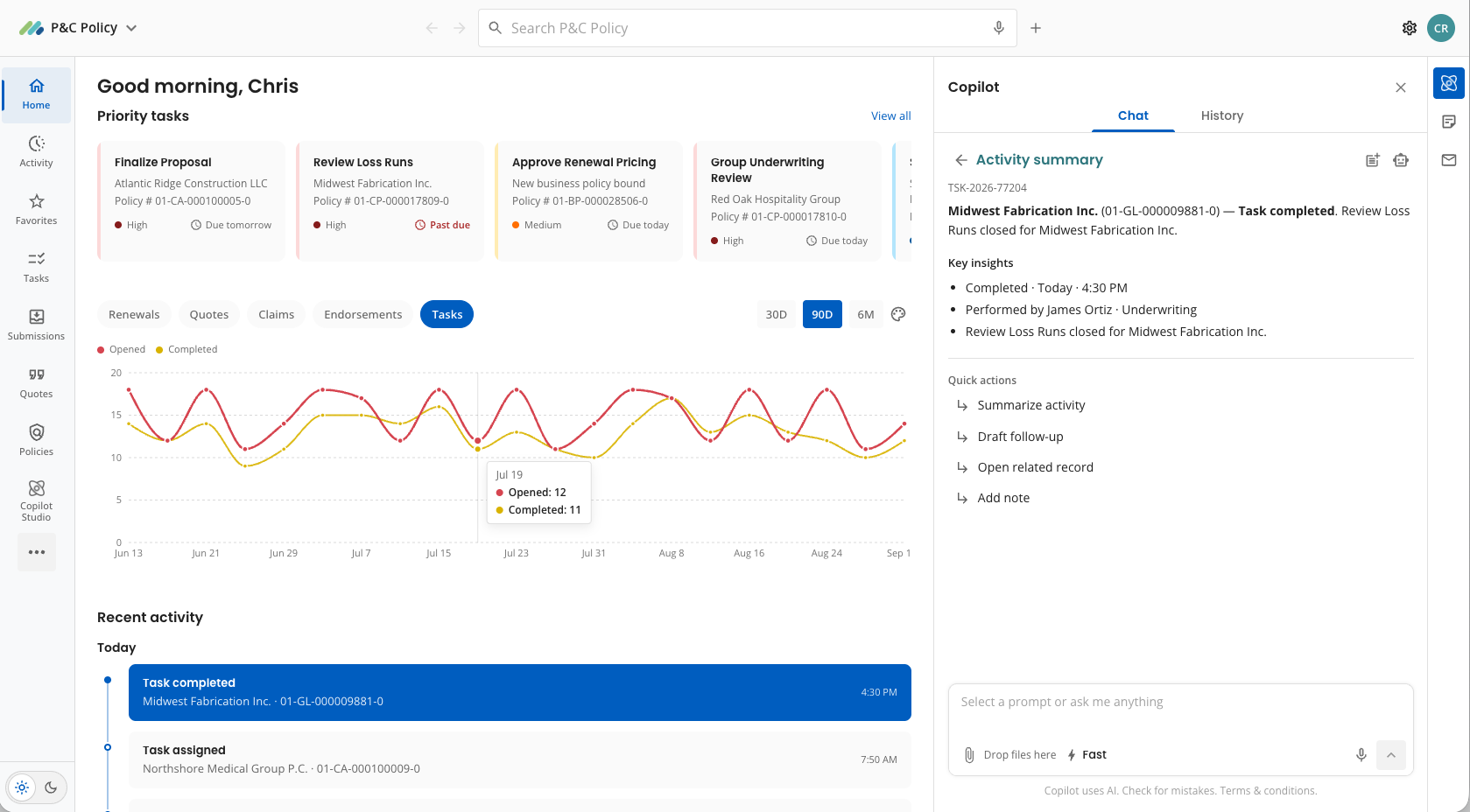
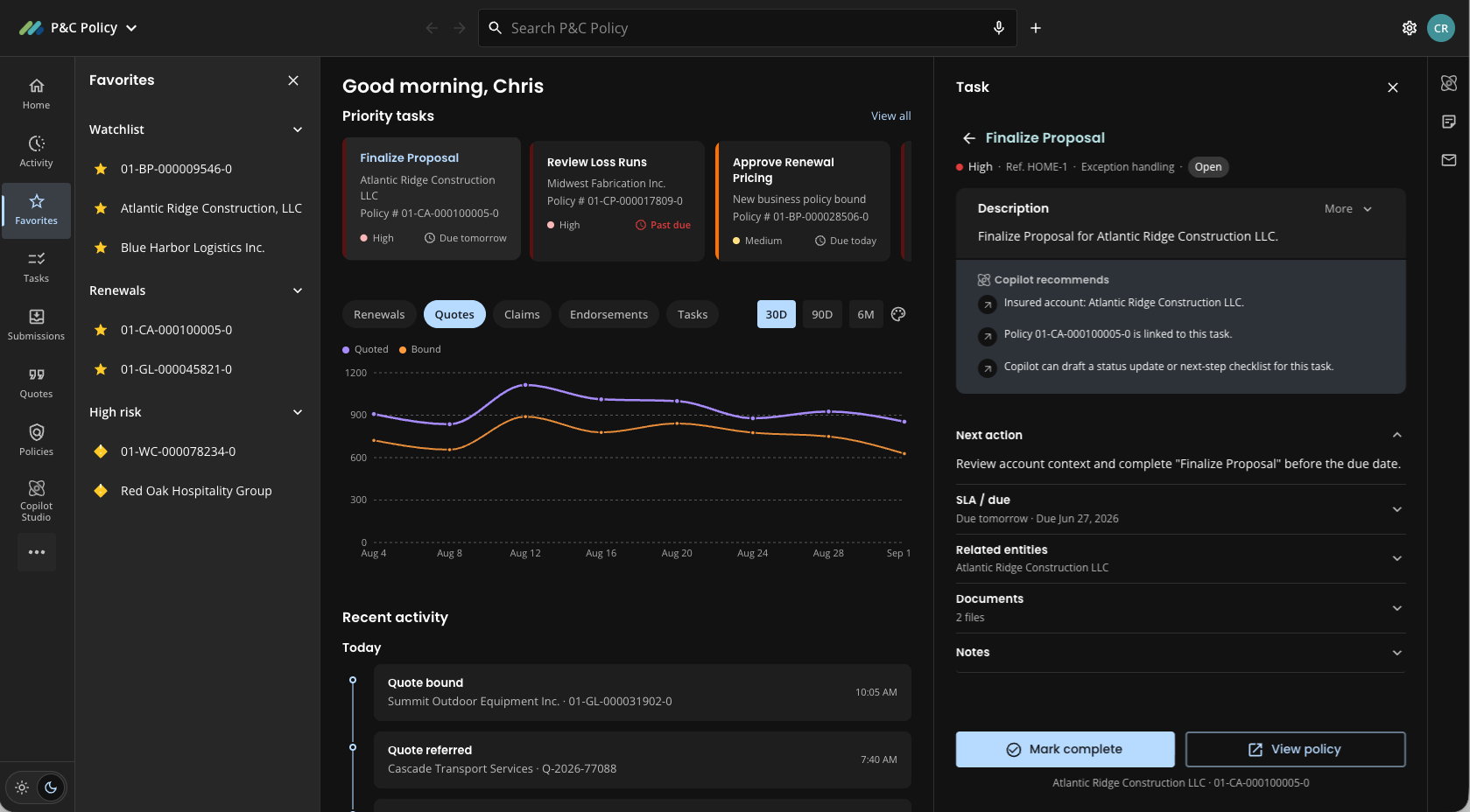
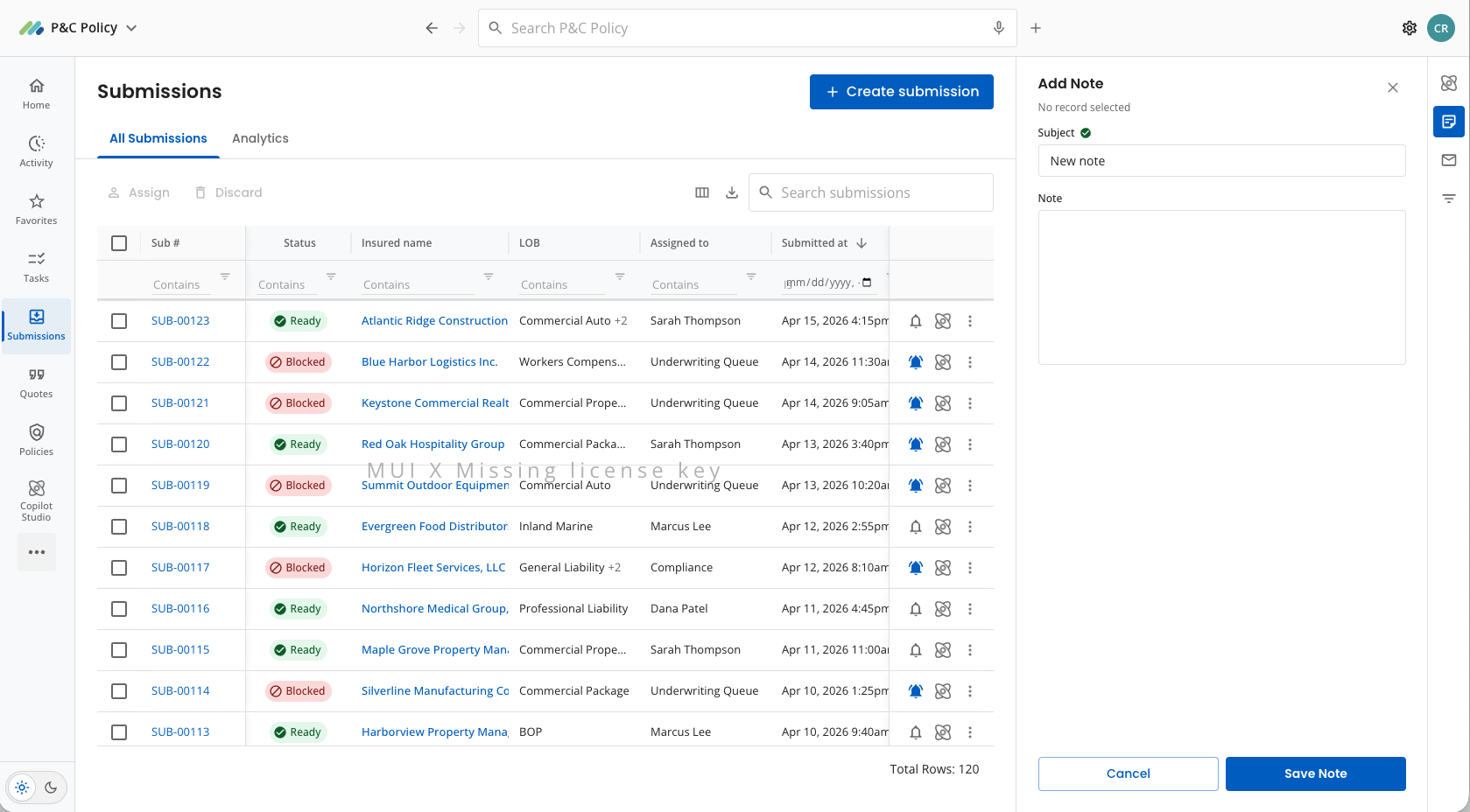
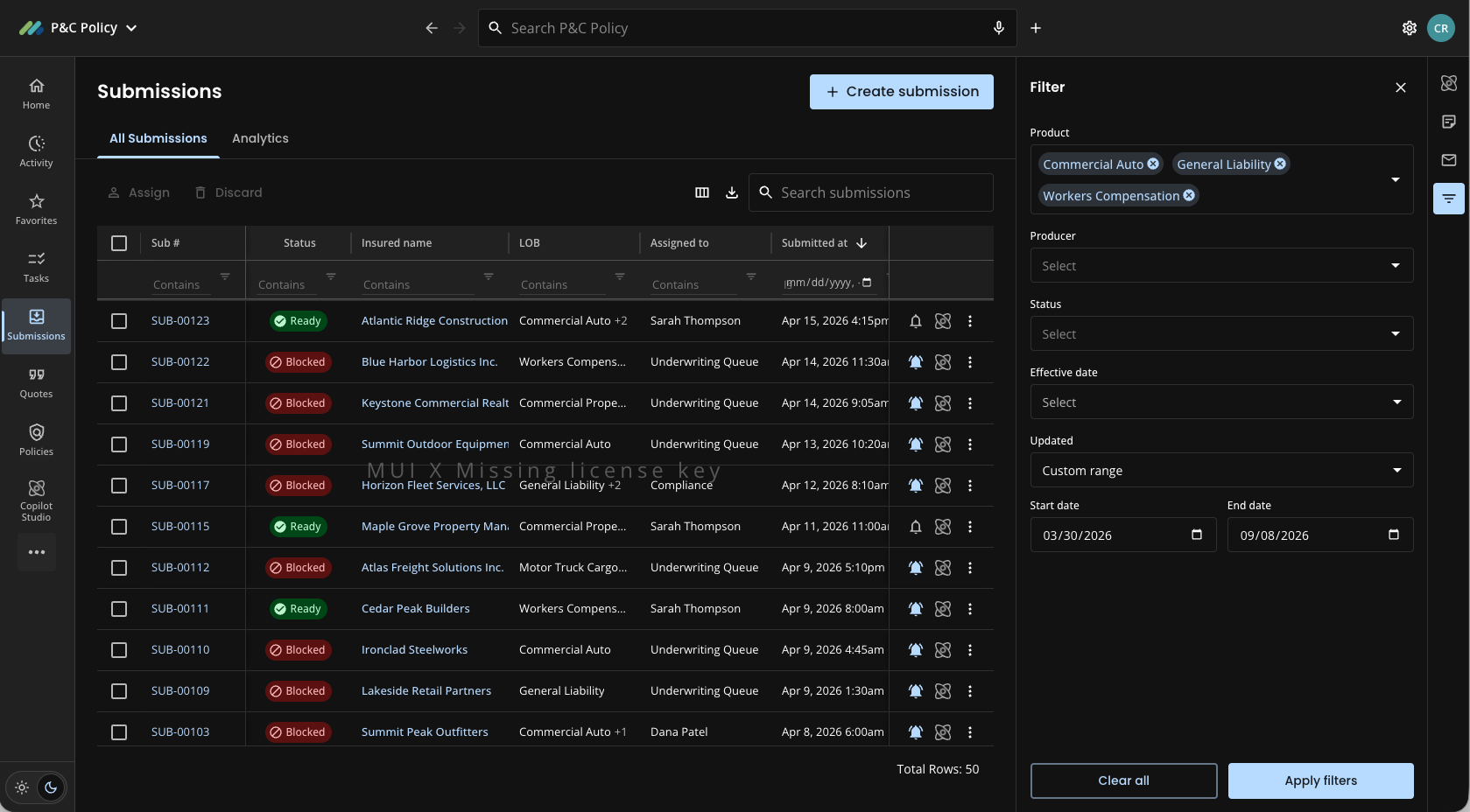
Product and engineering teams started using Claude — but the generated wireframes and prototypes were inconsistent with our design system.
They began using these AI versions in demos and presentations. Our Figma and Axure prototypes were often bypassed. This created massive fragmentation across tools and teams. User testing became difficult as we struggled to keep up.
During a recent in-office presentation, the CPO became frustrated with the scattered flows and declared we needed one unified prototype.
I had a Cursor subscription but hadn’t found an immediate business need to dive in. The CPO’s challenge changed that. The next day, I spent the full day setting up Cursor and building a unified React + MUI prototype that could:
Import and integrate our Figma design system tokens and designs
Convert and modify Axure screens
Ingest and refine Claude-generated wireframes
Output clean, production-ready MUI framework code
This created a single, living source of truth that bridged all our tools while maintaining design system integrity.
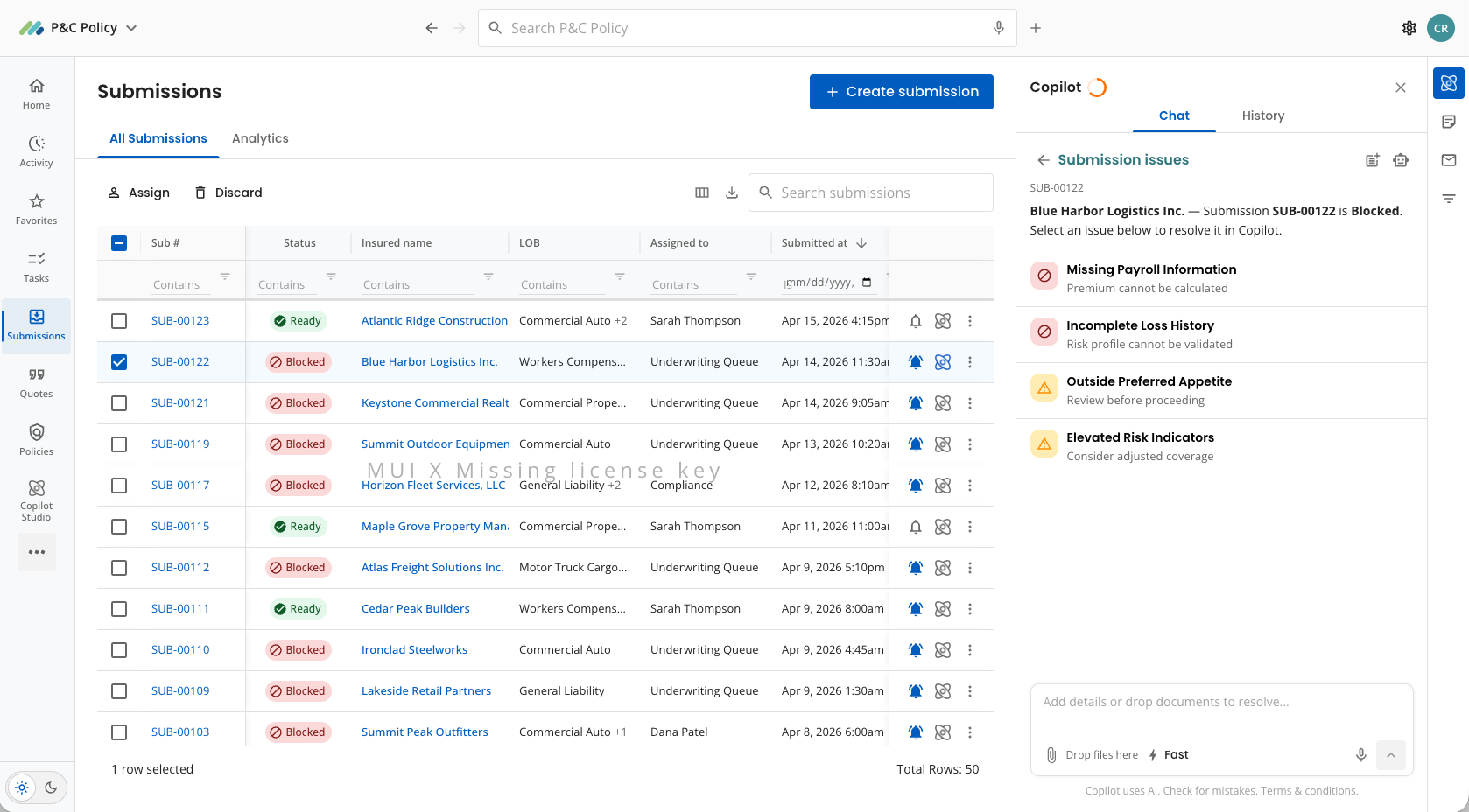
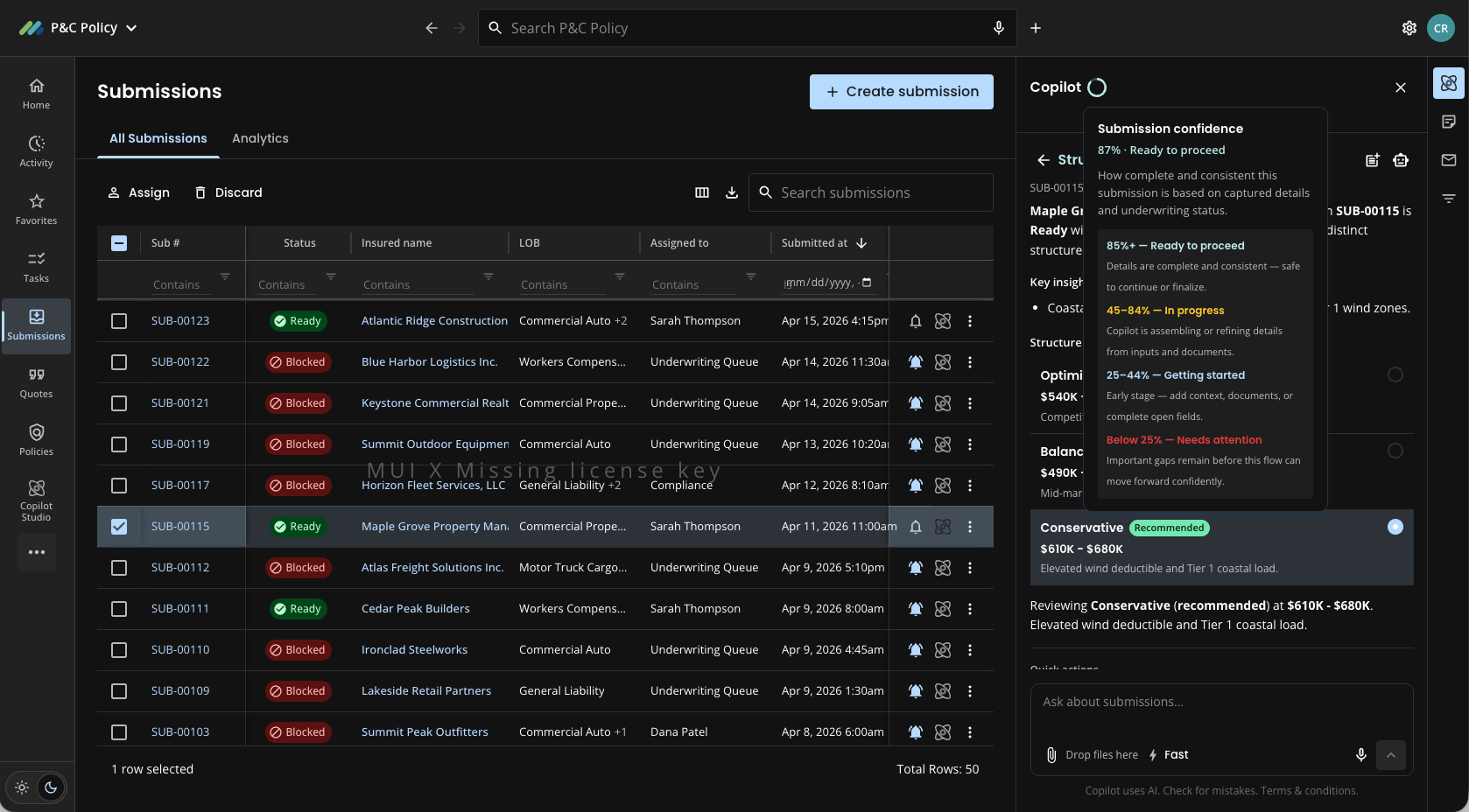
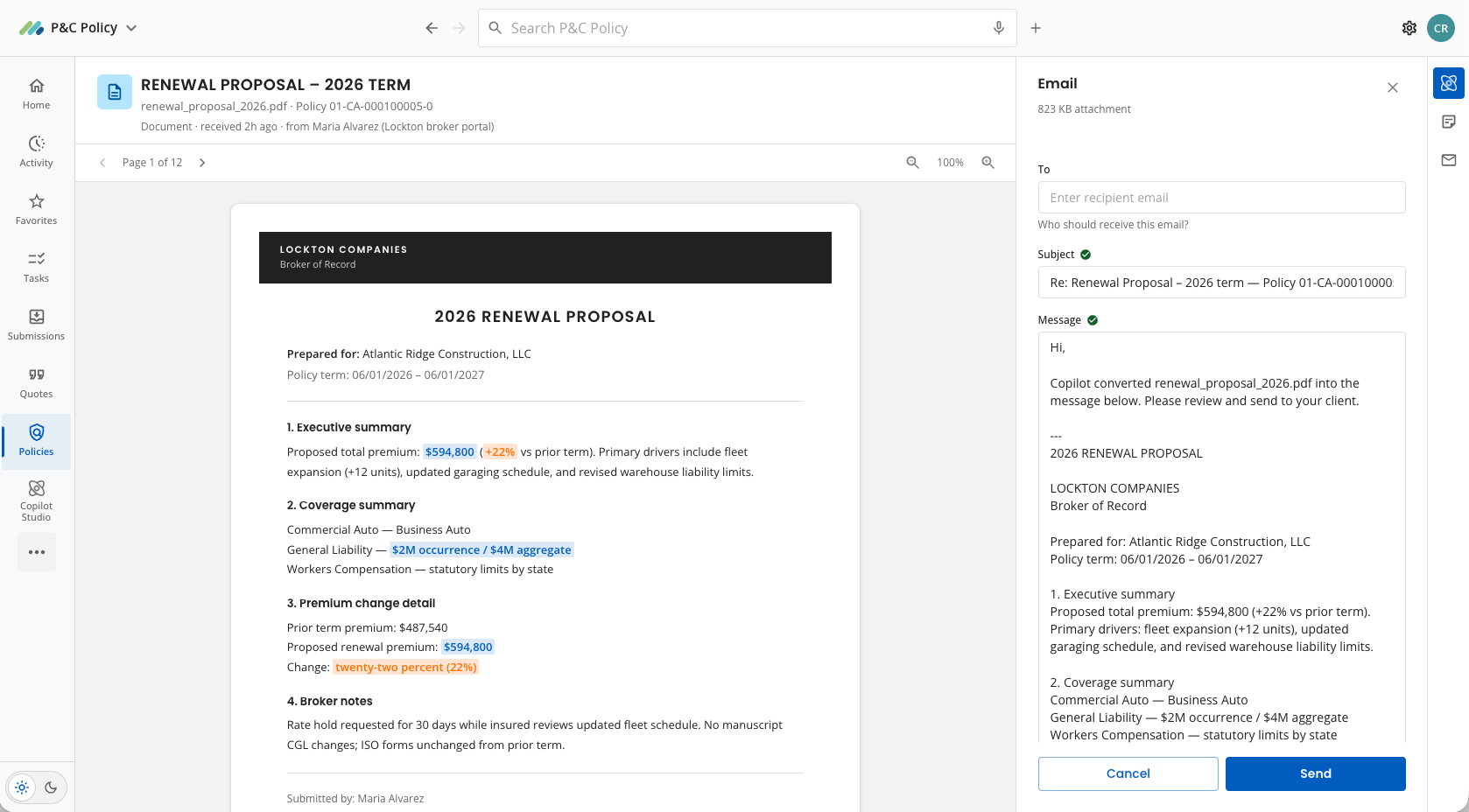
A single, version-controlled prototype with our full design system integrated. It includes working flows and a resizable Copilot panel. Cursor also makes it easy to generate shareable HTTPS URLs for stakeholder reviews.
Solved fragmentation across tools
Allows us to keep up with AI-generated concepts while maintaining UX, accessibility, and design system standards
Enables faster iteration, better user testing, and consistent handoff to engineering
Positions design as a strategic enabler in the new AI-driven environment
This approach transformed a point of frustration into a scalable foundation for how we design and deliver in an AI-first world.
The unified design system and prototype approach established a consistent foundation for the P&C Policy Administration platform and broader company initiatives. Key outcomes include:
Established as the standard for design and development across business units.
Figma design system with token mapping to MUI framework enabled consistent implementation across platforms.
Standardized structure for UI components, interactions, and AI experiences.
Created a scalable, maintainable foundation that supports faster iteration and better alignment between design, product, and engineering.
Lead Product Designer (Principal-Level Ownership) Directed design system creation and led a team of three (myself + two direct reports) for the P&C Policy Administration platform redesign.
End-to-end design of the P&C Policy Administration platform, including immersive AI workflows, lifecycle-driven interfaces, and a company-wide Figma design system with token mapping to the MUI framework.
Led design in collaboration with cross-functional product and engineering teams.
MVP targeted for Fall 2026 release, with continued expansion across domains and platforms.